The New Frontier of Cellular Longevity: Understanding Preptide NAD+
Turning back the clock starts from the inside out. ✨ NAD+ is the "fuel of life" that powers our longevity genes, but our levels naturally drop as we age. Using a peptide-driven approach to restore this vital molecule helps your body repair DNA and keep your cells acting young. Ready to lift the brain fog and reclaim your vibrancy? Check out our latest post on the science of Preptide NAD+
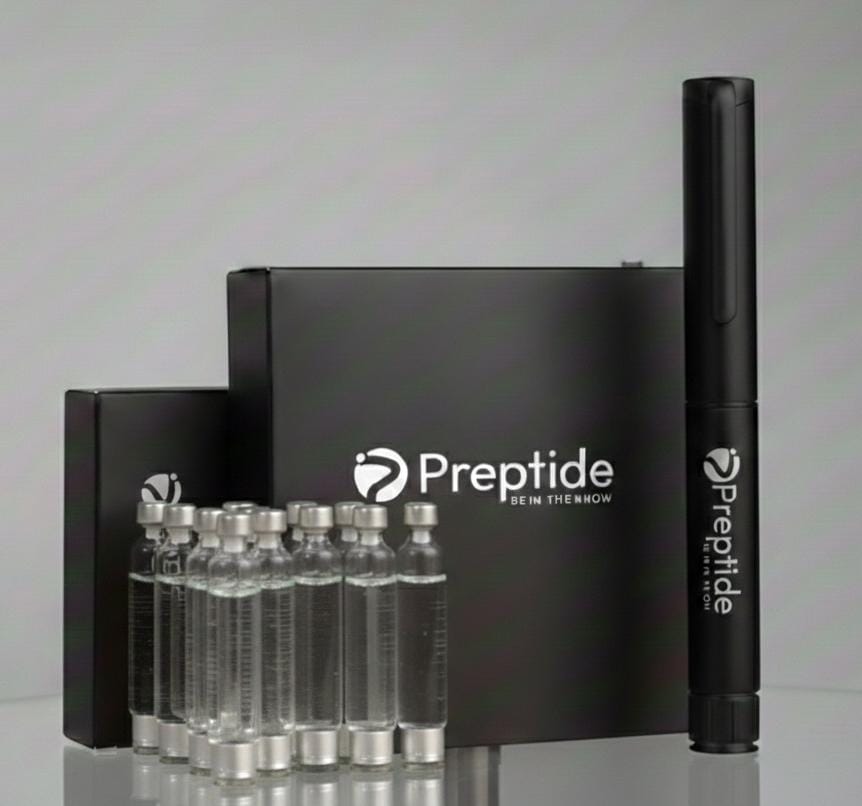
In the modern quest for peak performance and longevity, we often focus on what we can see in the mirror or track on a smartwatch. However, the most profound shifts in our health happen at a microscopic level. Enter Preptide NAD+, a breakthrough in cellular signalling that is redefining how we approach aging, energy, and metabolic repair. While traditional supplements often struggle with absorption, this peptide-driven approach targets the body's internal machinery to restore what time takes away.
The Molecular Architecture
To understand the power of Preptide NAD+, we must first look at the parent molecule: Nicotinamide Adenine Dinucleotide. On a structural level, NAD+ is a coenzyme found in every living cell, acting as a vital bridge between two nucleotides. It consists of nicotinamide, a form of Vitamin B3, and adenine, the same base found in our DNA and energy currency. The "Preptide" aspect of this therapy involves using specific amino acid chains that act as messengers. Instead of simply dumping raw material into the system, these peptides signal the body to optimize its own production and utilization of NAD+, ensuring that the molecule reaches the mitochondria where it is needed most.
The Engine of Life: Cellular Function
The primary role of NAD+ is to serve as the ultimate "shuttle" for electrons. Within the mitochondria—the powerhouses of your cells—NAD+ facilitates the conversion of nutrients from your diet into Adenosine Triphosphate, or ATP. This is the fuel that allows your heart to beat and your brain to think. Beyond mere energy, NAD+ acts as a critical "on switch" for a family of proteins called sirtuins. These are often referred to as the guardians of the genome because they regulate cellular health, manage the aging process, and protect cells from the internal "rust" known as oxidative stress. Without sufficient NAD+ levels, these protective systems remain dormant, leaving our DNA vulnerable to the daily wear and tear of life.
Systemic Benefits for Body and Mind
When NAD+ levels are restored through a peptide-enhanced delivery system, the benefits resonate throughout the entire body. Many individuals report a significant sharpening of cognitive function, often described as a lifting of "brain fog," which occurs as the brain’s neurons receive more efficient energy. Physically, the presence of high-functioning NAD+ accelerates tissue repair and reduces systemic inflammation. This leads to faster recovery times after exercise and a more resilient metabolism. Furthermore, because NAD+ is intrinsically linked to our circadian rhythms, stabilizing its levels can lead to more consistent sleep patterns and a more reliable "internal clock," helping you feel truly rested upon waking.
Why the Peptide Approach Matters
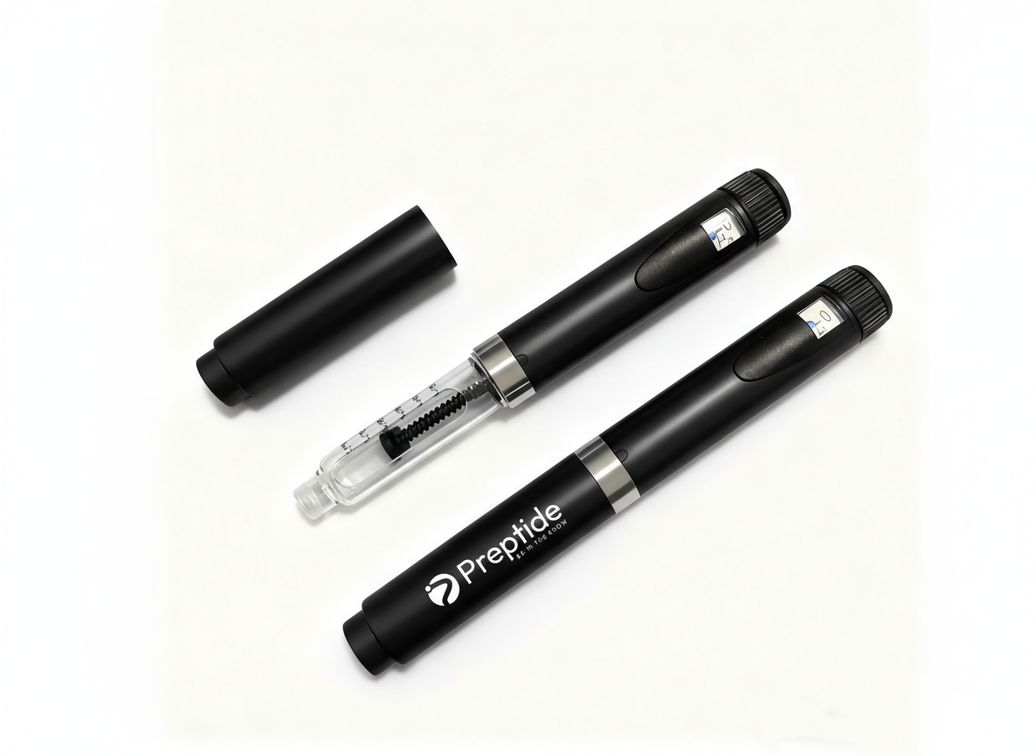
The challenge with standard NAD+ boosters has always been bioavailability. Many oral forms are degraded by the digestive system or filtered by the liver before they ever reach the bloodstream. The Preptide method bypasses these biological roadblocks. By utilizing peptide signalling or specialized delivery pathways, this method ensures a higher concentration of the molecule survives the journey to your cells. This results in a faster onset of benefits and a more profound impact on long-term DNA repair. It is less about a temporary caffeine-like boost and more about a fundamental "software update" for your biological systems.
A Foundation for the Future
Choosing to optimize your NAD+ levels is an investment in your future self. By addressing the core requirements of cellular energy and DNA maintenance, you are providing your body with the tools it needs to maintain its youthfulness from the inside out. As science continues to uncover the deep connections between coenzymes and longevity, Preptide NAD+ stands out as a sophisticated, science-backed pillar for anyone serious about their health span. It is a reminder that while we cannot stop the clock, we can certainly provide the gears with better oil.
Preptide NAD+ Frequently Asked Questions
What is the difference between regular NAD+ and Preptide NAD+?
The primary difference lies in the delivery and signalling. Standard NAD+ supplements are often broken down by the digestive system or the liver before they can be utilized by your cells. Preptide NAD+ utilizes specific amino acid chains that act as messengers, signalling the body to optimize its own production while protecting the molecule for much higher bioavailability. This ensures the "payload" actually reaches your mitochondria.
To understand how your body turns a meal into a moment of focus or a burst of physical energy, we have to look at the elegant dance of the Krebs Cycle and the crucial role of the phosphate bridge. While the nicotinamide and adenine ends of the molecule get most of the attention for their reactive properties, the pyrophosphate bridge is the structural hero that allows for cellular signalling. This bridge acts as a high-energy tether, maintaining the perfect distance between the two nucleotides so the molecule remains stable yet flexible enough to be recognized by signalling proteins. In the world of cellular communication, this bridge ensures that NAD+ can be "sensed" by the cell as a measure of its energy status, effectively telling the cell when it is time to burn fat for fuel or when it must enter a protective repair mode.
The chemical conversion of NAD+ into NADH during the Krebs Cycle is the exact moment where biological energy is born. As your body breaks down carbohydrates and fats, it strips away high-energy electrons. The NAD+ molecule, with its positive charge, acts like a microscopic magnet, attracting these electrons along with a hydrogen proton. This transformation into NADH represents a "loaded" state of potential energy. The molecule then carries this payload into the inner folds of the mitochondria, where the electrons are dropped off to drive the production of ATP. This cycle—the constant loading and unloading of electrons—is a non-stop metabolic relay race. If the supply of NAD+ is low, the relay slows down, leading to the sluggishness and cellular aging we associate with a declining metabolism.
Beyond mere energy production, the phosphate bridge also serves as a critical junction for the creation of NADP+, a closely related molecule that is essential for antioxidant defence. By adding an extra phosphate group to the ribose scaffold, the body creates a specialized tool for building new tissues and neutralizing harmful free radicals. This subtle chemical shift demonstrates the incredible versatility of the NAD+ architecture. It is not just a one-trick pony for energy; it is a multi-functional platform that the body reconfigures to meet the demands of DNA protection, chemical synthesis, and metabolic regulation.
How soon will I feel the effects?
While every individual’s biochemistry is unique, many users report an increase in mental clarity and sustained energy levels within the first few days. The deeper benefits, such as enhanced DNA repair, improved metabolic function, and regulated circadian rhythms, typically become more pronounced after two to four weeks of consistent use.
Can I get enough NAD+ from my diet alone?
While your body can synthesize NAD+ from precursors like Vitamin B3 (niacin) and certain amino acids found in milk, fish, and green vegetables, these sources are often insufficient to counteract the natural age-related decline. For those looking to significantly elevate their levels to support longevity or intense recovery, a targeted peptide protocol is much more efficient than dietary changes alone.
Why do NAD+ levels drop as we age?
NAD+ levels decline due to two main factors: decreased production and increased consumption. As we get older, our bodies become less efficient at "recycling" NAD+. Simultaneously, our DNA repair enzymes (like PARP1) and inflammation-fighting proteins (sirtuins) begin to work overtime as we accumulate cellular damage, burning through our remaining NAD+ stores at an accelerated rate.
Is Preptide NAD+ a stimulant like caffeine?
No. Unlike caffeine, which stimulates the central nervous system to mask fatigue, NAD+ provides true cellular energy. It facilitates the creation of ATP in the mitochondria, meaning the "energy" you feel is your cells actually functioning at their peak capacity. You won't experience the "crash" or jitters commonly associated with stimulants.
Are there any side effects?
Preptide NAD+ is generally very well tolerated because it is a substance your body already recognizes and produces. Some individuals may experience a mild sensation of warmth or a temporary "flush" shortly after administration. As with any wellness protocol, it is always best to start under the guidance of a professional to find the dosage that works best for your specific needs.
The molecular architecture of Nicotinamide Adenine Dinucleotide is a masterpiece of biological engineering, designed specifically for the high-speed transport of energy. Its full name reveals its dual-nature composition, as it is a dinucleotide formed by two distinct nitrogenous bases linked together. This structure allows it to function as a versatile "shuttle," moving back and forth between different parts of the cell to facilitate the complex chemistry of life.
The reactive heart of the molecule is the Nicotinamide ring, a derivative of Vitamin B3. This specific section is often called the "business end" because it is the site where the actual chemical work occurs. The ring possesses a unique ability to accept and donate electrons with extreme efficiency. When the molecule is in its NAD+ state, it carries a formal positive charge on its nitrogen atom, which makes it highly attracted to electrons. Once it picks up a hydrogen atom and two electrons, it transforms into NADH. This constant toggling between the oxidized and reduced states is the fundamental mechanism that drives cellular respiration.
On the opposite end of the molecule sits the Adenine group, a structural component that provides stability and recognition. Adenine is the same nitrogenous base found in the building blocks of our DNA and the energy currency ATP. In the context of the NAD+ molecule, Adenine acts as a sophisticated "docking handle." It allows various enzymes, such as sirtuins and DNA-repairing proteins, to grip the molecule securely so that the Nicotinamide end can perform its electron transfer. Without this anchor, the molecule would be unable to interface with the proteins that rely on it to function.
Connecting these two vital ends is a bridge made of Ribose sugars and a pyrophosphate link. These five-carbon sugars provide the physical scaffold for the nucleotides, while the phosphate bridge acts as the glue that holds the entire structure together. This backbone is remarkably durable, allowing the molecule to survive the journey through the cytoplasm and into the mitochondria without breaking down. By maintaining this precise arrangement of sugar, phosphate, and nitrogenous bases, the body ensures it has a reliable, rechargeable battery system that can power everything from basic metabolism to the most complex tasks of genetic repair.
Leave a comment