Methylene Blue is currently undergoing a massive resurgence in the world of longevity and cognitive enhancement, but its history stretches back over a century. Originally synthesized in 1876 as a textile dye, it holds the distinction of being the first fully synthetic drug used in medicine. Today, it is no longer just a laboratory stain or a treatment for "blue baby syndrome"; it has become a cornerstone for those looking to optimize their cellular energy and protect their nervous system from the ravages of time.
While the clinical approval for Methylene Blue is technically limited to treating methemoglobinemia, its biological versatility allows it to address a wide range of complex conditions by targeting the very foundation of cellular health. Because it essentially serves as a backup generator for the mitochondria, it is being utilized in functional medicine to manage and mitigate ailments that were previously considered incredibly difficult to treat.
One of the most significant breakthroughs involves chronic, deep-seated infections such as Lyme Disease and Bartonella. Traditional antibiotics often fail because these bacteria enter a dormant "persister" state or hide behind protective biofilms that drugs cannot penetrate. Methylene Blue has shown a remarkable ability to break through these biofilms and kill dormant bacteria, offering hope to those who have suffered from "invisible" chronic illnesses for years. By disrupting the protective barriers of these pathogens, it allows the immune system and other treatments to finally reach the source of the infection.
In the realm of emergency medicine and toxicity, Methylene Blue acts as a powerful restorative agent. It is used to treat severe poisoning from substances like cyanide and carbon monoxide by restoring the blood's capacity to carry oxygen when it has been chemically blocked. Furthermore, it is a critical tool for oncologists to treat encephalopathy caused by certain chemotherapy drugs. When a patient’s brain becomes overwhelmed by the toxins of aggressive cancer treatment, Methylene Blue can help clear the metabolic "traffic jam," restoring cognitive function and preventing permanent neurological damage.
The conversation around "Long" illnesses, such as Chronic Fatigue Syndrome and Long COVID, has also been transformed by the application of this molecule. These conditions are often defined by a state of mitochondrial gridlock where the body simply cannot produce enough ATP to keep up with daily demands. Methylene Blue provides a metabolic bypass that keeps energy flowing even when the standard pathways are inhibited by post-viral inflammation. This process not only addresses the physical exhaustion but also targets the neuroinflammation that causes persistent brain fog, helping patients regain their mental stamina and clarity.
Beyond internal medicine, the regenerative properties of Methylene Blue extend to the skin and physical structure of the body. In dermatological research, it has been found to be more effective than some traditional anti-aging compounds in promoting the synthesis of collagen and elastin. By increasing the metabolic rate of skin cells, it helps to thicken the dermis and speed up the healing of wounds that have become stagnant. This makes it a potent tool for both aesthetic longevity and the medical treatment of radiation-damaged tissue or chronic ulcers.
The Mitochondrial Engine: How It Works at the Microscopic Level
To understand why Methylene Blue is so highly regarded, we have to look at the mitochondria, the tiny power plants inside your cells. Under normal circumstances, these organelles produce energy in the form of ATP through a process called the electron transport chain. However, as we age or face environmental toxins, this chain can become "leaky," leading to the production of harmful free radicals and a drop in energy output.
Methylene Blue acts as an artificial electron cycler. It has the unique ability to donate or accept electrons depending on the environment it is in. When it enters a struggling cell, it acts as a "bypass" for damaged parts of the mitochondrial machinery. By facilitating this flow of electrons, it ensures that oxygen consumption remains high and that ATP production continues uninterrupted. Essentially, it acts like a high-performance battery charger for your cells, ensuring that the engine doesn't stall even under metabolic stress.
Neurological Resilience and "Solving" Brain Issues
The most exciting frontier for Methylene Blue is its impact on the human brain. Because it is highly lipophilic, it crosses the blood-brain barrier with ease, allowing it to target neurons directly. Research into its neurological applications is focused on its ability to "clean up" the brain. One of its most significant potential roles is in the prevention of Tau protein aggregation. These protein tangles are a hallmark of Alzheimer’s disease, essentially acting like "gunk" that prevents neurons from communicating. By inhibiting this clumping, Methylene Blue is being investigated as a primary candidate for slowing the progression of neurodegenerative decline.
Furthermore, its role as a neuroprotective agent extends to Parkinson’s disease and general cognitive impairment. By neutralizing oxidative stress specifically within the brain's mitochondria, it prevents the premature death of neurons. For the average user, this often manifests as the elimination of "brain fog" and an increase in mental endurance during complex tasks. It also functions as a mild Monoamine Oxidase Inhibitor (MAOI), which means it helps maintain higher levels of neurotransmitters like dopamine and serotonin, potentially offering a stabilizing effect on mood and focus for those struggling with depressive symptoms or ADHD-like distractibility.
Beyond the Brain: Full-Body Health Benefits
The benefits of Methylene Blue aren't restricted to the skull. Because mitochondria are present in almost every cell in the body, the systemic effects are far-reaching. In the cardiovascular system, it helps maintain healthy blood vessel function by regulating nitric oxide levels. In the realm of anti-aging, it is often referred to as a "geroprotector." Studies have shown that it can increase the lifespan of human skin cells and improve wound healing by boosting the metabolic rate of the tissue.
Athletes have also begun experimenting with low-dose Methylene Blue to enhance physical performance. By increasing the efficiency of oxygen utilization in the muscles, it can potentially delay the onset of fatigue and improve recovery times after intense exertion. Unlike many stimulants that provide a temporary "spike" followed by a crash, Methylene Blue provides a steady increase in baseline energy by improving the fundamental way your body creates fuel.
Safety, Purity, and the "Blue" Disclaimer
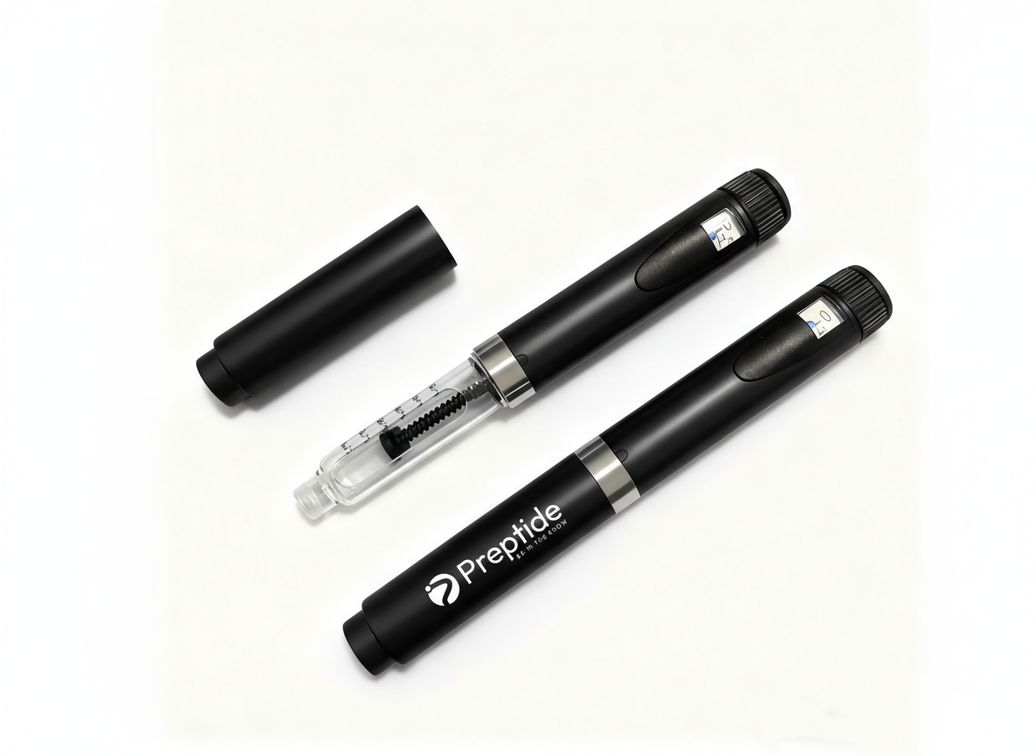
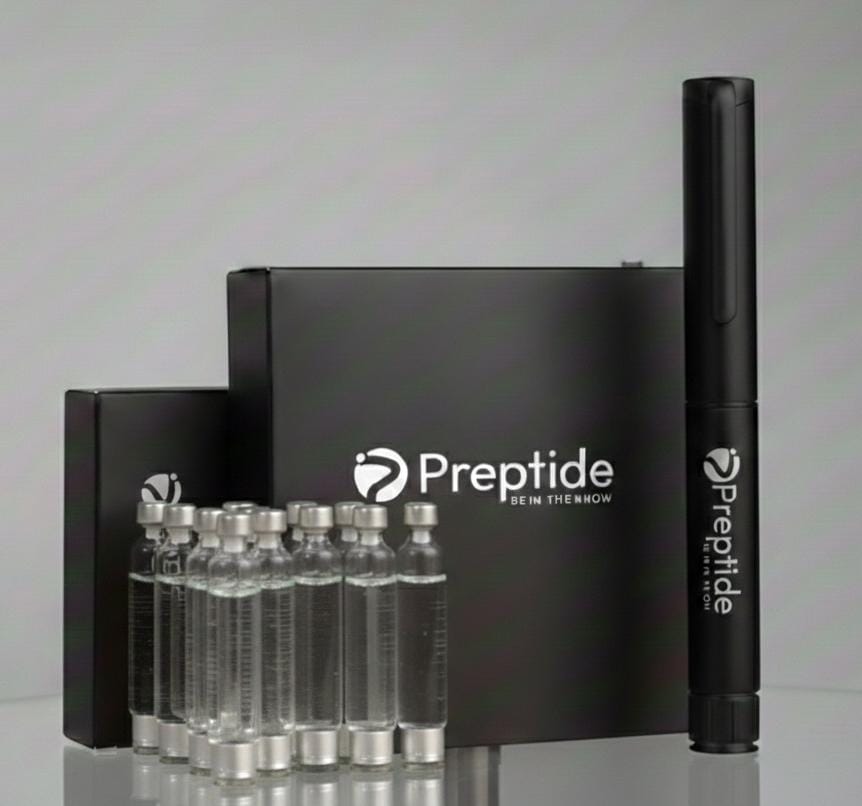
While the benefits are compelling, the "Preptide" or supplement form of Methylene Blue requires a cautious approach. The most important factor is purity. You should never consume anything other than USP (United States Pharmacopeia) Grade Methylene Blue. Industrial or "chemical grade" versions often contain high levels of heavy metals like lead and arsenic, which would negate any health benefits and cause long-term harm.
Additionally, the dosage is critical. The therapeutic benefits of Methylene Blue follow a hormetic curve, meaning that more is not better. Low doses (typically 0.5 to 1 milligram per kilogram of body weight) provide the antioxidant and energy-boosting effects, while high doses can actually reverse these benefits and cause oxidative stress. It is also imperative to check for drug interactions; because it affects serotonin levels, it should never be combined with SSRIs or SNRIs to avoid the risk of serotonin syndrome. And finally, be prepared for a visual change—it is a powerful dye, and it will turn your urine a distinct blue or green color as your body processes it.
Leave a comment